Many people report feeling “fuzzy” or “out of it” the day after drinking heavily. Thankfully, there are plenty of ways that you can do to treat brain fog naturally and alcohol addiction safely, and enhance your brain function, such as the ways we listed above. In fact,research has shownthat regular exercise can help improve brain function and reduce brain fog. Alcohol dependence happens when our brain chemistry adapts to the presence of alcohol, leading to a reliance on it to feel ‘normal’.

Long-term Effects

When she’s not working, she enjoys riding bicycles with her family in the park. She also loves playing Uno with her little kiddos at the end of the day. Navjeet cares deeply about Sober living house your well-being, offering holistic care that addresses both your physical and emotional needs. Her dedication ensures you receive the best care possible, delivered with warmth, compassion, and a genuine desire to make a difference.
Liver damage
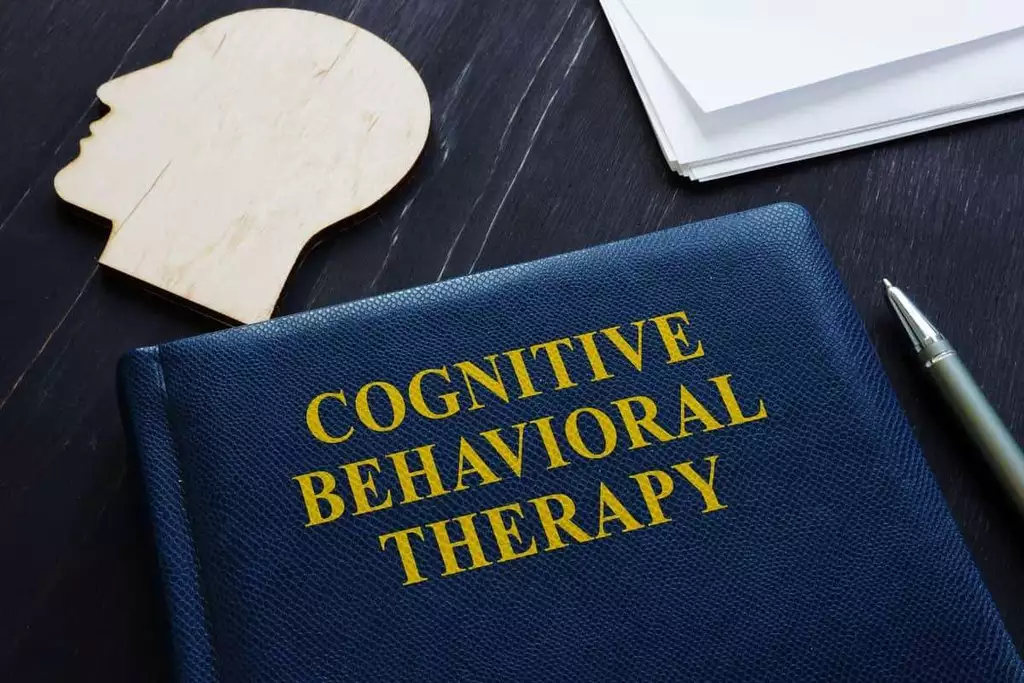
Relying on a network of support—from healthcare providers to therapists and peer support groups—ensures a comprehensive strategy to restore mental clarity and sustain long-term recovery. Such interventions, when pursued consistently, facilitate cognitive restoration and reinforce the foundations of a life free from the haze of alcohol’s influence. Recovery from https://ecosoberhouse.com/ alcohol-induced brain fog goes hand in hand with cognitive interventions that help rebuild mental function. Therapy and counseling, particularly techniques like cognitive behavioral therapy (CBT), are cornerstones of cognitive recovery. Through CBT, individuals can explore and modify patterns in their thinking and behavior that may contribute to alcohol dependence and impaired cognitive functions.
Be Active and Exercise Regularly
- Alcohol dependence happens when our brain chemistry adapts to the presence of alcohol, leading to a reliance on it to feel ‘normal’.
- As for other side effects of drinking, like poor judgment, it’s best to plan ahead.
- Some individuals may only experience mild withdrawal symptoms, while others may face more severe challenges.
Many people find staying in an inpatient facility helpful because they can avoid the places they used to drink in. They can meet new people and learn stories about how to live a sober life. The duration and frequency of heavy drinking are critical components in understanding brain fog duration as they can contribute to long-lasting cognitive effects. For chronic heavy drinkers, the pursuit of mental clarity may require more time and continuous abstinence from alcohol. This level of alcohol consumption can accelerate the onset of withdrawal symptoms upon cessation and lead to chronic cognitive deficits in sobriety. Before we look at alcohol’s role in brain fog, let’s take a moment to define brain fog.
- After only one night of poor sleep, our cognitive functions and performance start to decline.
- Partial repair of some of the structural changes to the brain can occur within the first few months of sobriety, with the most noticeable and important effects occurring in the first year of sobriety.
- The journey to recovery involves managing withdrawal symptoms, making healthier lifestyle choices, and exploring various treatment options including therapy, counseling, medication, and detox programs.
- Cathy Fraser leads the people strategies and services that fuel the fulfilment and expansion of WelbeHealth’s mission.
How Long Does Alcohol-related Brain Fog Last After Quitting Drinking?
Blaire Bernard, JD, is an experienced healthcare lawyer who has focused her career on supporting providers whose mission is to expand access to value-based care. She has served alcohol brain fog as a nurse in a variety of clinical settings, including hospitals and clinics. Prior to joining WelbeHealth, she served as a Nurse Practitioner in psychiatry.
Consider starting a healthy withdrawal program

This impairment is closely linked to alcohol’s propensity to decelerate the central nervous system, culminating in diminished intercellular communication within the brain. This slowdown is a primary contributor to the onset of alcohol-induced brain fog, a condition characterized by mental clarity’s deterioration. Moderating how often you drink each week and how much you drink in one sitting is key to maintaining good overall health and well-being. Brain fog and long-term alcohol misuse can increase vulnerability to mental health disorders such as anxiety and depression. The impact of alcohol on neurotransmitters and brain chemistry can disrupt mood regulation and contribute to the development or worsening of these conditions.

Brain fog is a common phenomenon experienced during alcohol withdrawal. It is characterized by a lack of mental clarity, confusion, impaired concentration, and memory issues. While not a condition itself, brain fog can significantly impact cognitive abilities and daily functioning. As the alcohol is metabolized and nutritional states are restored, alcohol brain fog can clear with time.
Common Symptoms of Alcohol Fog
- It can take several months to a year for your brain to fully recover from the effects of alcohol.
- Alcohol abuse can cause memory problems similar to those of dementia psychosis.
- This can lead to difficulty concentrating, memory problems, and other cognitive issues.
- The duration of alcohol-related brain fog varies based on multiple factors, often extending significantly after binge drinking episodes.
- Get ready to clear the clouds, as we embark on a journey through the ebbs and flows of mental clarity in the wake of alcohol use.
If you want to cut back on your alcohol consumption and boost your brain health, consider trying Reframe. We’re a neuroscience-backed app that has helped millions of people reduce their alcohol consumption and improve their cognitive functioning. The duration of alcohol-related brain fog varies based on multiple factors, often extending significantly after binge drinking episodes.
Mental Health
Typically, brain fog from alcohol consumption will begin clearing up after a few days of abstention. The brain’s cells, once dehydrated and shrunken due to alcohol’s effects, start to reinflate to their usual volume. Within approximately two weeks, a baseline of normal function is approached, but complete recovery and stability of the mind could take longer. By the three-month mark of consistent sobriety, many individuals report substantial progress in mood regulation, memory sharpness, concentration, and overall mental acuity. The path to regaining cognitive function and mental clarity after quitting alcohol is a gradual process marked by various stages, each presenting particular challenges and milestones.